

How to Pick Your Station Boots: Balancing Readiness, Safety, and Comfort
TLDR
Ultimately, station boots are a critical layer of personal protective equipment (PPE) that directly impact personnel safety and department readiness. Because high-performance footwear must provide specific physiological support for the 26 bones and 33 joints of the foot, it is essential to mitigate the 36 percent of fireground injuries caused by musculoskeletal strains. To this end, the following article outlines the criteria for evaluating station boots, focusing specifically on ASTM safety standards, environmental barrier performance, and athletic engineering.
Introduction
According to the NFPA United States Firefighter Injury Report, approximately 36 percent of fireground injuries are categorized as strains, sprains, or muscular pain. Integrating high-performance station boots into a department’s standard operating procedure is a critical step in mitigating these operational risks. Footwear choice affects everything from metabolic expenditure to the prevention of long-term podiatric conditions.
This article examines the engineering requirements, regulatory standards, and procurement strategies necessary to protect personnel. It serves as a rubric for evaluating footwear based on the high-tempo, multi-hazard environment of the modern response landscape.
Understanding Station Boots: Beyond Administrative Footwear
In the Fire and EMS industry, the term station boots refers to footwear designed for wear during administrative duties, station maintenance, and non-fire emergency calls. While many departments historically allowed for a degree of leeway in selection, the operational reality of modern response demands more than a standard retail work boot. A true station boot must serve as a bridge between the high-tempo performance of an athletic shoe and the rugged protection of industrial safety gear.
Technical authority in this category is defined by the boot’s ability to provide a stable platform for the human foot. The anatomy of the foot is a complex structure comprising 26 bones, 33 joints, 107 ligaments, and 19 tendons and muscles. During a standard 24 or 48 hour shift, these components are subjected to repetitive stress, varying terrain, and heavy equipment loads. Standard work boots often lack the specific suspension systems required to maintain neutral alignment and reduce fatigue.
The Stakes
Mission Readiness and Personnel Safety
Ultimately, the stakes of footwear procurement extend far beyond simple comfort. For Fire and EMS leadership, the primary concern is consistently mission readiness. For instance, a single member sidelined by a preventable foot injury or chronic plantar fasciitis creates a critical gap in the response matrix. This in turn leads to increased overtime costs and a measurable reduction in the department’s overall effectiveness.
In addition to readiness, personnel safety is the second pillar of this evaluation. Firefighters and EMS providers frequently navigate surfaces slick with water, soot, oil, and various chemicals. Therefore, without slip-resistant soles featuring intricate lug patterns, the risk of a slip-and-fall injury increases significantly. In the long run, these incidents represent significant liability risks for the municipality or private agency.
Regulatory Compliance and Liability
Liability is often tied to the “standard of care” provided to employees regarding their protective equipment. While station boots are not always required to meet the rigorous NFPA 1971 structural firefighting standard, they should align with relevant safety requirements. For many organizations, ensuring that boots feature puncture-resistant insole plates and safety toe protection is a proactive measure against workers’ compensation claims.
Compliance with ASTM standards for slip resistance and electrical hazard protection is also increasingly relevant. In the EMS-heavy environment of modern departments, personnel are frequently exposed to various pathogens and hazardous liquids. Footwear that fails to provide a barrier against these threats creates a direct liability link between equipment failure and personnel illness.
The Physiological Cost: How Footwear Impacts Longevity
The Fire and EMS industry currently faces several obstacles that complicate footwear performance. These include staffing shortages and the rapid turnover of equipment due to inferior construction. Understanding the physiological impact of footwear is the first step in solving these challenges.
Staffing Shortages and Cumulative Fatigue
National staffing shortages have forced many departments into mandatory overtime and extended shift rotations. When a responder is on their feet for 48 hours or more, the weight of their station boots becomes a critical factor. Heavy-duty leather boots can contribute to cumulative fatigue, which slows reaction times and increases the likelihood of errors during high-stress calls.
Modern footwear addresses this by utilizing lightweight materials and flexible soles that mimic the geometry of a running shoe. This reduces the caloric expenditure of the user during movement, preserving energy for the actual emergency task. Reducing fatigue is a direct contributor to personnel longevity and mental clarity.
Pathogen Persistence and EMS Call Volume
With EMS calls now accounting for over 80 percent of the call volume for most departments, station boots must function as medical-grade PPE. Pathogen persistence on non-porous surfaces means that footwear must be easily decontaminated. Furthermore, the risk of moisture ingress during outdoor operations can lead to discomfort and skin issues.
Beyond structural support, high-quality station boots are equipped with waterproof membranes that keep feet dry while simultaneously allowing them to breathe. This breathability is critical not only for maintaining skin health but also for preventing the fungal infections caused by trapped sweat. Consequently, if you are looking to avoid foot-related issues that could slow you down, prioritizing breathable, moisture-wicking linings is essential.
Equipment Turnover and Procurement Waste
Budgetary constraints often lead procurement officers toward inexpensive, “throwaway” boots. These products frequently fail within three to six months of heavy use. Common failure points include the delamination of glued soles, the cracking of inferior leather uppers, and the collapse of internal arch support.
This creates a cycle of procurement waste that impacts the bottom line. Investing in high-quality boots with durable construction may have a higher upfront cost, but the total cost of ownership is lower. Features such as TPU reinforcement from toe to heel and high-quality full grain leather ensure the boot can withstand the daily abuse of the station.
Technical Evaluation: Five Pillars of Station Boot Selection
To select the perfect pair of station boots, departments should evaluate candidates against five technical pillars. These pillars ensure the footwear provides the necessary protection without compromising the agility required for emergency response.
1. Temperature and Chemical Resistance
In the chaos of an emergency scene, your boots must stand as an unwavering barrier against extreme temperatures and hazardous liquids. While station boots are not designed for interior fire attack, they must resist heat and chemical splashes. Opt for materials such as flame-retardant leather and heat-resistant outsoles. These choices provide robust protection and ensure the boot does not disassemble when exposed to thermal stress.
2. Puncture and Impact Protection
The urban response environment is filled with sharp debris and falling objects. Safeguarding the 26 bones of the foot is paramount for preventing long-term disability. Choose a boot equipped with an ASTM compliant composite or steel toe cap. Composite toes are often preferred for station boots as they are lightweight and do not conduct thermal energy in extreme cold or heat.
3. Slip Resistance and Traction
Surface stability is non-negotiable for first responders. Look for a slip-resistant sole with intricate lug patterns that provide superior grip across various surfaces. The boot should meet the ASTM F3445-24 slip resistance standard to ensure traction on surfaces slick with water or chemicals. A flexible sole with multi-terrain traction allows for increased agility without impacting the ruggedness needed for duty.
4. Comfort, Fit, and Podiatric Health
The right boot fit is essential for preventing discomfort, blisters, and fatigue during long shifts. Pay attention to features such as padding, arch support, and heel comfort pods. Acceptance by the American Podiatric Medical Association (APMA) is a strong indicator that the footwear promotes foot health. Once you have found the right boot, gradually break them in to ensure they become a comfortable extension of your body.
5. Breathability and Moisture Management
Beyond hygiene concerns, sweat and moisture trapped inside a boot can easily lead to blisters and friction-based injuries. Fortunately, breathable boots prevent moisture from impacting movement or causing discomfort by facilitating airflow. To achieve this, look for sweat and moisture-wicking linings that work in tandem with waterproof membranes. This dual-layer approach ultimately ensures the foot remains dry and stable across varied operational environments.
Hunter Apparatus: A Strategic Partner for Mission Readiness
Hunter Apparatus, based in Florida and founded in 2019, understands the unique demands of the Fire and EMS market. As a mission-critical procurement partner, Hunter Apparatus provides vetted solutions that have been tested in demanding operational environments. The brand’s identity is built on reliability and trust, serving agencies across the country.
For departments in the US, Hunter Apparatus serves as a single-source provider for apparatus and the PPE required to staff them. By acting as an extension of the department’s procurement team, Hunter Apparatus ensures that equipment meets the necessary safety and performance standards. This streamlined process allows leadership to focus on response rather than the complexities of equipment logistics.
Hunters Preferred Solution: The Black Diamond Tactical Line
In our pursuit of reliable station boots, Hunter Apparatus has partnered with Black Diamond to offer their tactical footwear line. We chose this partnership because Black Diamond products consistently meet the rigorous ASTM and APMA standards required for first responder safety. Their footwear is engineered to bridge the gap between athletic performance and industrial-grade durability.
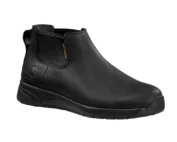
The Black Diamond tactical line includes several models designed to meet specific department needs:
- BDX 5″ Agility Mid: An athletic performance boot featuring an INSITE footbed for targeted arch support and TPU reinforcement for durability.
- BDX 6″ and 8″ Waterproof Series: These models include a side zip for rapid donning and full-grain leather toes that are polishable for uniform coordination.
- BD OPS Series: Built with EVA midsoles for shock absorption and fiberglass shanks for torsional rigidity, these boots are mission-ready for any terrain.
The inclusion of the Adaptable Fit System in the BDX line allows users to change between medium and wide widths within the same boot. This technical feature simplifies inventory management and ensures that every member of the department has access to a secure, stable fit.

Conclusion: Station Boots as a Strategic Investment
The procurement of high-performance station boots is an investment in the most valuable asset of any Fire or EMS department: its people. By selecting footwear that addresses the technical demands of slip resistance, pathogen protection, and ergonometric support, leadership can directly reduce injury rates and improve morale. The right choice ensures that personnel are ready for the mission from the moment they step into the station.
Hunter Apparatus stands ready to assist your organization in evaluating its PPE roster. Reliability starts from the ground up, and our team is committed to providing the peace of mind you can trust. Contact Hunter Apparatus today to discuss how we can support your footwear and apparatus needs.
FAQs About Station Boots
In This Article
- Introduction
- Understanding Station Boots: Beyond Administrative Footwear
- The Stakes
- The Physiological Cost: How Footwear Impacts Longevity
- Technical Evaluation: Five Pillars of Station Boot Selection
- Hunter Apparatus: A Strategic Partner for Mission Readiness
- Conclusion: Station Boots as a Strategic Investment
- FAQs About Station Boots
- Reliability You Can Count On. Peace of Mind You Can Trust